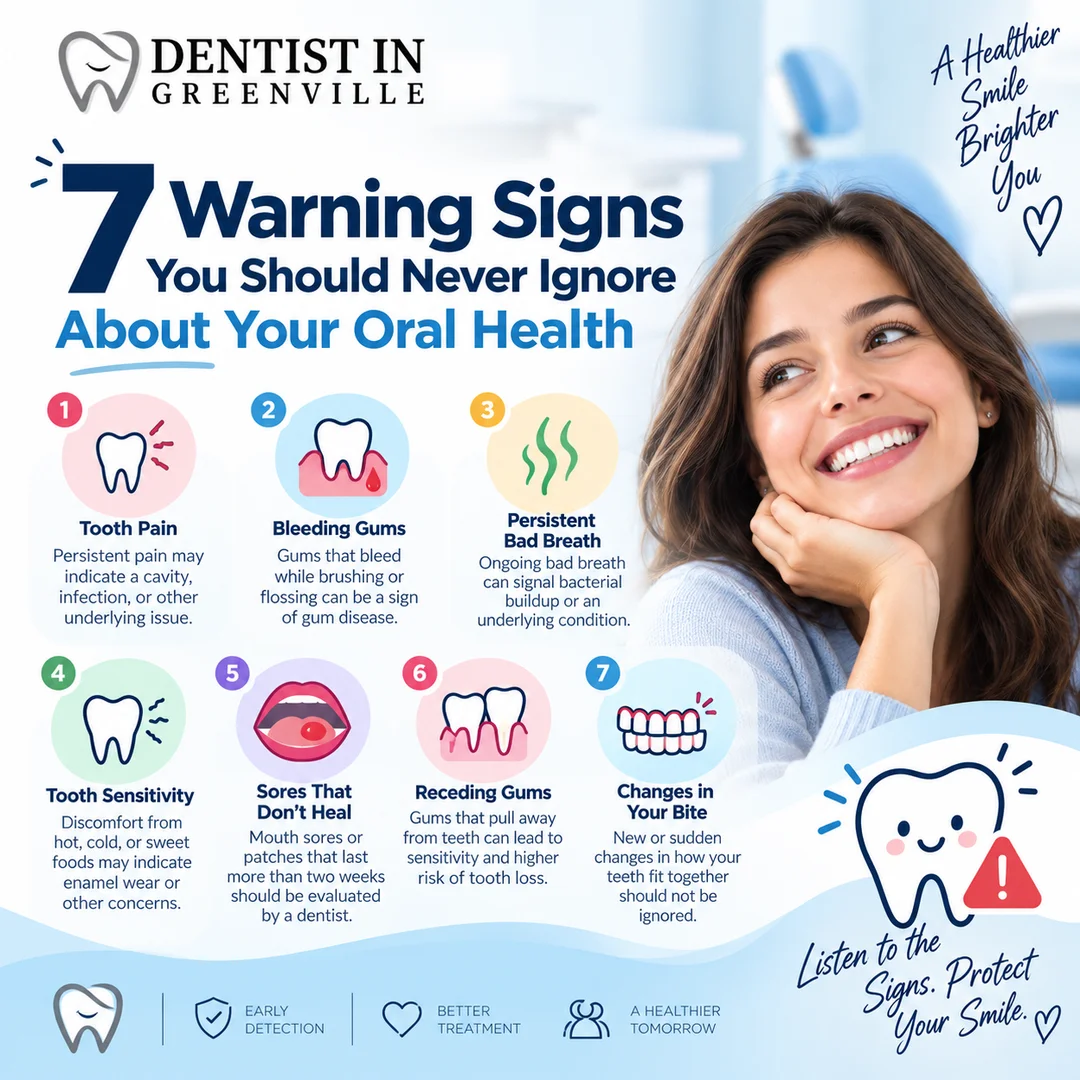
Many people wake with a bad taste or feel a sharp toothache. They worry and put off the dentist. That choice can make small problems grow fast. Oral trouble can hurt sleep, work, and confidence.
A leaking or cracked filling is a clear warning sign that needs dental care. Here you will know about signs to watch for, and when to call a dentist.
Your mouth can tell you a lot about your health. Ignoring warnings from your oral care routine can lead to serious problems down the road.
Severe tooth sensitivity can signal real damage. A cracked or leaking filling often causes sharp, stabbing pain. Dark spots or discoloration on a tooth may point to cavities or tooth decay. Tooth decay remains preventable, yet it needs prompt treatment to stop worse harm.
A patient who has frequent headaches or jaw pain should mention that at a dental visit. Teeth that shift or feel loose need immediate dental evaluation. Good dental hygiene limits plaque and lowers the risk of new cavities. The dentist will check fillings, look for decay, and offer fixes fast.
After persistent tooth pain or sensitivity, bleeding or swollen gums often appear. A dentist once had a patient complain that gums bled during brushing and felt tender and puffy.
That dentist warned that bleeding gums signal gum disease and need fast action. Gums that bleed during brushing should prompt an immediate visit to the dentist. Plaque buildup, leaking or cracked fillings, and dark spots on teeth raise the risk.
Untreated gum issues can lead to tooth decay, loose or shifting teeth, and changes in bite. Other signs that point to the same problem include chronic bad breath, metallic taste, mouth sores, frequent headaches or jaw pain, and serious tooth sensitivity.
A patient told her dentist she kept waking with a metallic taste and constant bad breath after a cracked filling. Dentists warn that persistent bad breath or a metallic taste can signal leaking or cracked fillings, tooth decay, or gum disease.
Dark spots on teeth and serious sensitivity often appear with these signs. Frequent headaches or jaw pain can show an oral problem too.
A person who ignored the taste later had teeth that shifted and felt loose. Gums that bleed during brushing should make someone call their dentist right away. Changes in bite demand a prompt exam. Oral care and quick treatment can stop further tooth decay and protect the mouth.
Mouth sores, lumps, or discoloration can signal serious dental issues. Dark spots on teeth often indicate tooth decay or other problems that need attention. Individuals should watch for pain around these areas as it may suggest underlying damage. Sores inside the mouth that don’t heal could point to infections or even oral cancer.
Any lump in the mouth area is worth a visit to the dentist. These irregularities might not be common but they shouldn’t be ignored. Bleeding gums during brushing also demand prompt evaluation from a professional. Taking care of these signs early helps prevent bigger health problems down the road.
Shifting teeth can feel scary and uncomfortable. Loose teeth often signal a dental issue that needs attention. They might be a sign of gum disease or tooth decay, both of which should not be ignored.
Dark spots or discoloration on the teeth may indicate damage lurking beneath the surface. A person who notices their teeth feeling loose should visit a dentist without delay.
Teeth moving out of place could lead to more significant problems if left untreated. Changes in bite alignment can stem from underlying concerns, including jaw pain or even headaches.
Experiencing these symptoms together is usually a recipe for trouble; it’s essential to address them as soon as possible. Taking care of oral health by seeking help for shifting teeth ensures one stays on track toward better dental hygiene and overall wellness.
Jaw pain, clicking sounds, and frequent headaches signal potential dental issues. Many people experience tension in their jaw muscles without realizing it. This discomfort may come from grinding teeth or misalignment.
Frequent headaches could point to problems in the jaw joint or even tooth decay. Ignoring these signs can lead to more serious oral health conditions.
Teeth that feel loose or shifting should not be taken lightly either. These changes often indicate underlying gum disease that needs immediate attention. Additionally, dark spots on teeth suggest cavities lurking beneath the surface; catching them early can save a lot of trouble later on.
Keeping an eye on these symptoms helps avoid larger dental concerns down the line and emphasizes the importance of regular dental visits for overall well-being. Attention now can make chewing easier later!
Difficulty chewing or changes in bite often signal serious dental issues. People may notice that their teeth don’t fit together properly anymore. This could mean shifting teeth or even tooth decay. Cracked or leaking fillings contribute to this problem as well.
A friend of mine experienced discomfort while chewing, and a visit to the dentist revealed jaw pain caused by misalignment. It turned out that changes in his bite were related to gum disease he had ignored for too long.
Ignoring these signs can lead to more significant issues down the road, so staying alert is essential!
Warning signs include persistent bad breath, bleeding gums, tooth sensitivity, and mouth sores. If you notice any of these issues, do not ignore them.
Changes like swelling or pain can indicate serious problems. Ignoring these symptoms may lead to bigger issues down the road.
If you experience frequent cavities or see discoloration on your teeth, it's time for a check-up. Regular visits help catch problems early.
These could be signs of an underlying issue related to oral health. Consult with a dentist right away; they can provide guidance and treatment options.
Tell us a little about what you need — we'll be in touch shortly.
4 Market Point Dr Suite E, Greenville, SC 29607, United States

Hi! I'm Tooth fairy! Your AI Assistant Ask me anything