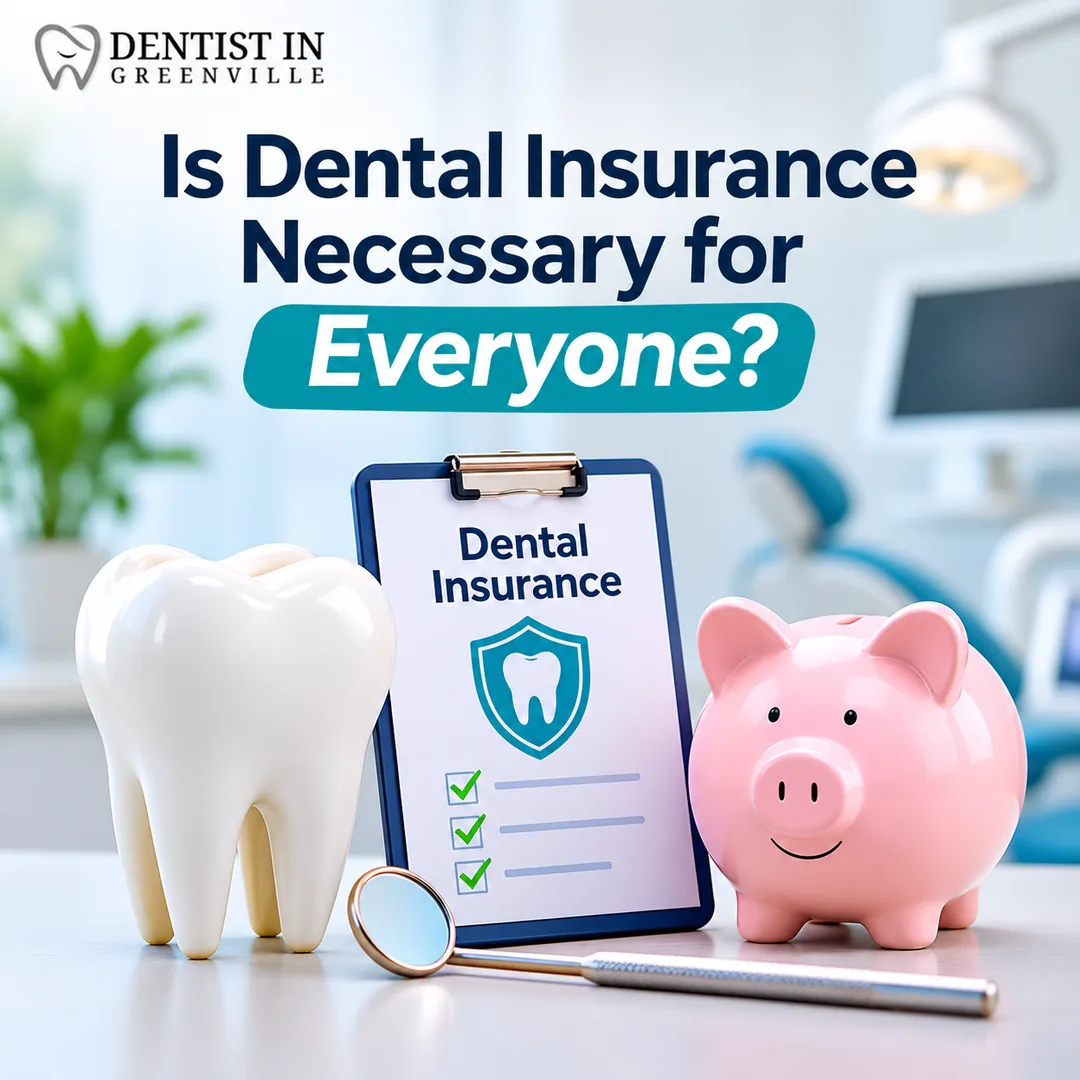
Many people skip dental visits to save money. They fear a big bill for a filling or a root canal. A parent might delay a checkup, then pay three times as much later. That common worry drives the question, Is dental insurance necessary for everyone?
About 72 million American adults lack dental insurance. Here you will know what individual dental insurance covers, plan types, costs, and smart alternatives. It will help people decide if a plan fits their needs.
Dental insurance typically covers a range of services. It often includes preventive care, like routine checkups and cleanings, which helps keep smiles bright and healthy.
Insurers typically cover routine cleanings and X-rays as preventive care. This coverage helps detect problems early and protect oral health, which affects overall health. All states must provide comprehensive dental care for children, yet about 72 million American adults lack dental insurance, so access to care varies widely.
Policies often treat preventive and diagnostic services differently from major work. Dental benefits expire each year, so people must use their allotment during open enrollment cycles.
HMO and PPO plans offer different coverage options and help manage financial risk for routine checkups and preventive services.
Basic services cover common fixes like fillings and simple extractions. Dental plans treat these services differently than preventive care. Preventive services, like cleanings and X-rays, usually cost little or nothing.
The author sat in the dental chair and watched a hygienist review a benefits sheet that showed preventive care paid more than basic treatments. About 72 million American adults lack dental insurance, so basic service costs can hit many wallets hard.
Coverage limits and yearly benefit rules often affect payment for basic work. Dental benefits expire each year, so unused dollars vanish at open enrollment. All states must offer comprehensive dental care for children, but adult coverage varies.
The author paid a modest copay for a filling after the insurer covered part of the bill, which saved money compared with paying out of pocket.
After basic services like fillings and simple extractions, major services cover larger treatments such as crowns, root canals, bridges, and dentures. Major procedures often cost thousands of dollars, so dental benefits matter for cost management and access to care.
A patient recalled paying $2,500 for a crown before getting coverage, and then saving much on later work. About 72 million American adults lack dental insurance, which raises financial risk for major dental services.
All states must provide comprehensive dental care for children, yet adult coverage still varies. Preventive care like cleanings and X-rays usually receives coverage, but major services face higher limits and waiting periods.
People should compare HMO, PPO, and other insurance options to match coverage to dental needs and protect overall health.
Dental insurance plans come in various forms, each catering to different needs. People can choose between PPO, HMO, indemnity, and discount plans based on their preferences and circumstances.
PPO plans offer flexibility and a wide range of choices. Patients can visit any dentist, but they save more by choosing those in the network. This plan typically covers preventive services like cleanings and X-rays without requiring a deductible. Many people appreciate these features, especially since oral health directly affects overall well-being.
Though PPO plans might have higher premiums than some other types of coverage, they provide greater access to dental care. Individuals who value freedom in selecting their healthcare providers often prefer them.
With unique benefits that set them apart from HMO options, PPOs play an essential role in making dental services accessible for many families seeking routine checkups or specific dental treatments. Next comes HMO Plans, which present another option for individuals looking into insurance choices.
HMO plans offer a different approach to dental care. They require members to choose a primary dentist from their network. This dentist manages all referrals and procedures, keeping costs lower for basic and preventive services.
Many individuals enjoy this structure since it simplifies the process of accessing routine checkups. Preventive services like cleanings and X-rays typically fall under affordable coverage options.
Coverage varies across states, especially for adults, while children often benefit from comprehensive care mandated by law. Approximately 72 million American adults lack dental insurance; HMO plans can help bridge that gap for those seeking dental benefits.
Using an HMO plan means patients must stay within their network of dentists, which might limit choices but also provides significant cost savings on care needed for oral health issues.
HMO plans focus on network restrictions, but indemnity and discount plans offer more freedom. Indemnity plans allow individuals to choose any dentist without being tied to a specific network.
They often cover a percentage of the charges after the insured pays their deductible. This flexibility can be appealing for those who want options.
Discount dental plans work differently. Members pay an annual fee and receive discounts on services from participating dentists. There are no complex claims or deductibles; members simply show their card at the dentist to get lower rates. Both types aim to improve access to care, helping people take charge of their oral health while managing costs efficiently.
People with existing dental issues should think about getting dental insurance. Families with children also benefit from this coverage to help manage costs. Seniors and retirees should strongly consider it as well, since their oral health needs may change over time.
Individuals with existing dental issues should strongly consider dental insurance. About 72 million American adults lack this important coverage. For those needing frequent care, dental insurance can ease the financial burden of treatment costs. Many plans cover preventive services like cleanings and X-rays, significantly impacting oral health.
Dental needs often arise unexpectedly and can be just as urgent as medical needs. With proper coverage, individuals can avoid high out-of-pocket expenses associated with complex procedures. Dental benefits also expire each year, making it essential to evaluate options during open enrollment periods for maximum advantage.
Families with children should prioritize dental insurance. Dental care plays a crucial role in children's health. Each state mandates comprehensive dental care for kids, ensuring they receive necessary treatments like cleanings and X-rays. Many families face financial challenges when seeking dental services without coverage.
Statistics reveal that around 72 million adults lack dental insurance, highlighting the potential risk of high out-of-pocket expenses. Having proper coverage allows parents to manage costs while securing essential preventive care for their little ones.
Without insurance, families might skip routine checkups or delay needed treatment, leading to more serious problems down the road. It is vital to keep children’s oral health in check; after all, healthy teeth pave the way for overall well-being as kids grow up.
Seniors often experience unique dental needs. Many struggle with existing dental issues that require ongoing care. Dental insurance can help cover costs for necessary treatments. It plays a vital role in making dental care affordable for older adults.
With oral health impacting overall well-being, seniors should prioritize their dental visits. Regular checkups and cleanings keep teeth in good shape, while preventive services are usually covered under these plans.
Unfortunately, 72 million American adults lack any form of dental insurance. Seniors who want to stay healthy must consider the potential financial risks of going without coverage. Using available benefits wisely ensures they access essential services each year before those benefits expire.
Dental insurance can carry hefty premiums. Many people worry about out-of-pocket expenses too. They often wonder if the coverage balances with what they pay. Waiting periods and limits can add to the confusion. Every situation requires thought, so individuals must weigh their options carefully.
People should compare costs before choosing a plan.
| Point | Summary |
|---|---|
| Monthly Premiums | Premiums vary widely. Some adults pay under $20 per month. Others pay $50 or more. One patient paid $450 a year. That amount felt fair for routine care. A dentist confirmed higher premiums often lower out-of-pocket bills. |
| Deductibles | Deductibles apply to many plans. They often range from $50 to $200 per person. A claimant described meeting a $150 deductible before coverage kicked in for fillings. |
| Copayments and Coinsurance | Copays may apply for visits and simple procedures. Coinsurance typically covers 20 to 50 percent for major work. A family reported paying 40 percent for a crown after copays. |
| Annual Maximums | Most plans cap benefits annually. Limits often range from $1,000 to $2,000. A man facing root canal work hit a $1,500 cap and paid the rest out of pocket. |
| Preventive Coverage | Preventive care, like cleanings and X-rays, is usually covered. Coverage helps avoid costlier problems. Children receive mandated comprehensive care in all states, which lowers family costs. |
| Out-of-Pocket Examples | Simple filling might cost $75 to $200 after insurance. Major work, like a crown, can leave a patient with $500 to $1,200 to pay. One account showed $1,200 out-of-pocket for multiple procedures in a year. |
| Adults Without Coverage | About 72,000,000 American adults lack dental insurance. That number is nearly three times those without health coverage. Uninsured people often delay care. Delays can turn small problems into major expenses. |
| Benefit Expiration | Benefits reset each year. People must enroll during open enrollment. Unused benefits do not roll over. A parent lost a remaining cleaning benefit by waiting until January. |
| Cost Tradeoffs | Higher premiums can reduce out-of-pocket cost for major care. Low premiums may mean high coinsurance and limits. A retiree chose a midlevel plan and saved on frequent treatments. |
| Financial Protection | Good dental coverage makes care affordable. Proper dental insurance can be as important as health coverage. Oral health affects overall health and well-being, and serious dental needs can mirror medical urgency. |
Next, look at waiting periods and coverage limits.
After tallying monthly premiums and out-of-pocket costs, attention shifts to waiting periods and coverage limits.
- Plans may delay coverage for certain services.
- Common waits: three months for basic care, six to twelve months for major work.
- A patient recalled waiting eight months for a crown before the insurer paid.
- Short waits often apply to preventive care, which most plans cover.
- Many plans cap payouts each year.
- Typical annual limits range from $1,000 to $2,000.
- Limits reset when benefits expire each year, so open enrollment matters.
- Exceeding caps leaves patients with full bills.
- Preventive services like cleanings and X-rays are usually covered.
- Comprehensive care for major procedures often faces longer waits and lower percentages.
- Plans may cover 80 to 100 percent of preventive work, 50 to 80 percent of basic care, and 20 to 50 percent of major services.
- PPO and HMO plans handle waits and limits differently.
- PPOs often offer broader networks and partial out-of-network benefits.
- HMOs may require designated providers and stricter waits.
- Indemnity and discount plans can skip waits but might not lower total costs.
- All states must provide comprehensive dental care for children.
- This requirement reduces waits and expands coverage for minors.
- Adult dental benefits still vary widely by location.
- About 72 million American adults lack dental insurance.
- That number is nearly three times higher than those without health coverage.
- Lack of coverage increases the chance of delayed care and higher bills.
- Waiting periods can push urgent needs into unpaid territory.
- Coverage limits can turn a mid-range procedure into a major expense.
- Proper dental insurance can equal health coverage in importance for overall health.
- A clinic manager noted that patients often defer root canals until limits reset.
- A family reported using preventive visits covered at 100 percent, then hitting a $1,500 cap for restorations.
- These stories show how waits and caps change care choices.
- Individuals should compare waiting periods and annual maximums before enrolling.
- They should match plan timing to likely needs, such as braces or implants.
- It should be noted that benefits expire each year and require open enrollment to continue.
Some people seek alternatives to traditional dental insurance. Dental discount plans offer a simple way to save on services without monthly premiums. Pay-as-you-go options provide flexibility for those who prefer not to commit long-term.
These choices can fit various budgets and needs, making dental care more accessible. Most importantly, they open doors for individuals looking for effective ways to manage their oral health expenses.
Dental discount plans offer an alternative to traditional insurance. They provide reduced rates for dental services across a network of providers. People can save money on preventive care, cleanings, and other necessary treatments.
Many plans operate without the waiting periods often found in insurance policies.
Families benefit from these discounts since they help manage costs for routine checkups. The affordability appeals to individuals who might not have any coverage; approximately 72 million American adults lack dental insurance.
With access to various services at reduced prices, people can prioritize their oral health without breaking the bank.
Pay-as-you-go options provide flexibility for those without dental insurance. Individuals pay for services at the time of treatment. This method can suit patients who seldom require dental care, like routine checkups or X-rays. Many appreciate this approach since it often eliminates monthly premiums and allows them to control their spending.
Patients should weigh the costs carefully. While they may save money on premiums, unexpected dental issues could result in higher out-of-pocket expenses. Oral health impacts overall well-being, so staying aware of potential risks remains crucial.
A cost-benefit analysis helps people understand if paying as they go fits their needs better than traditional plans; both have pros and cons worth exploring thoroughly before making a choice on coverage options.
Weighing the pros and cons of dental insurance can feel like a balancing act. On one hand, it offers financial protection against high costs. On the other hand, individuals must consider whether they will truly benefit from coverage.
Dental insurance provides crucial financial protection. It helps individuals and families manage the costs associated with dental care. Many plans cover preventive services like cleanings and X-rays at little to no cost. This support makes maintaining oral health easier for everyone.
Without coverage, unexpected dental issues can lead to hefty bills. Approximately 72 million American adults face this reality without insurance, making regular checkups difficult.
Dental benefits expire each year; thus, people must reevaluate their options annually to avoid missing out on necessary treatments that could impact overall health. With proper planning, individuals can safeguard themselves against significant financial risk while ensuring access to essential dental services.
Dental insurance often opens the door to a wider network of dentists. Patients can choose from many providers, making it easier to find someone who fits their needs. With over 72 million adults in America lacking dental insurance, having coverage is vital for accessing care.
Plans like PPOs allow flexibility in selecting a dentist. This freedom helps individuals avoid long waits and limited options. Dental benefits also cover preventive services such as cleanings and X-rays, keeping oral health on track. A broader network means better access to necessary treatments without breaking the bank or compromising quality.
Dental insurance can help cover the costs of regular check-ups and unexpected procedures. It acts like a safety net, protecting your wallet from high bills. For many, it makes dental care more affordable.
Not necessarily. Some individuals may have good oral health and limited needs for treatment, making insurance less essential for them. However, those prone to issues might find it beneficial.
Most plans cover routine visits like cleanings and exams. They often include basic procedures such as fillings or extractions too. More extensive work, like crowns or braces, may also be partially covered.
Look at your personal needs first; consider how often you visit the dentist and what treatments you might need in the future. Compare different plans to see which offers coverage that suits your situation best while keeping costs manageable.
Tell us a little about what you need — we'll be in touch shortly.
4 Market Point Dr Suite E, Greenville, SC 29607, United States

Hi! I'm Tooth fairy! Your AI Assistant Ask me anything