Many people worry when a tooth hurts or breaks. When a dentist mentions Tooth Extraction, that worry often grows.
A tooth may need removal if it has lost too much structure or stability. Here you will know about common causes, signs that saving a tooth is not an option, and what to expect after extraction.
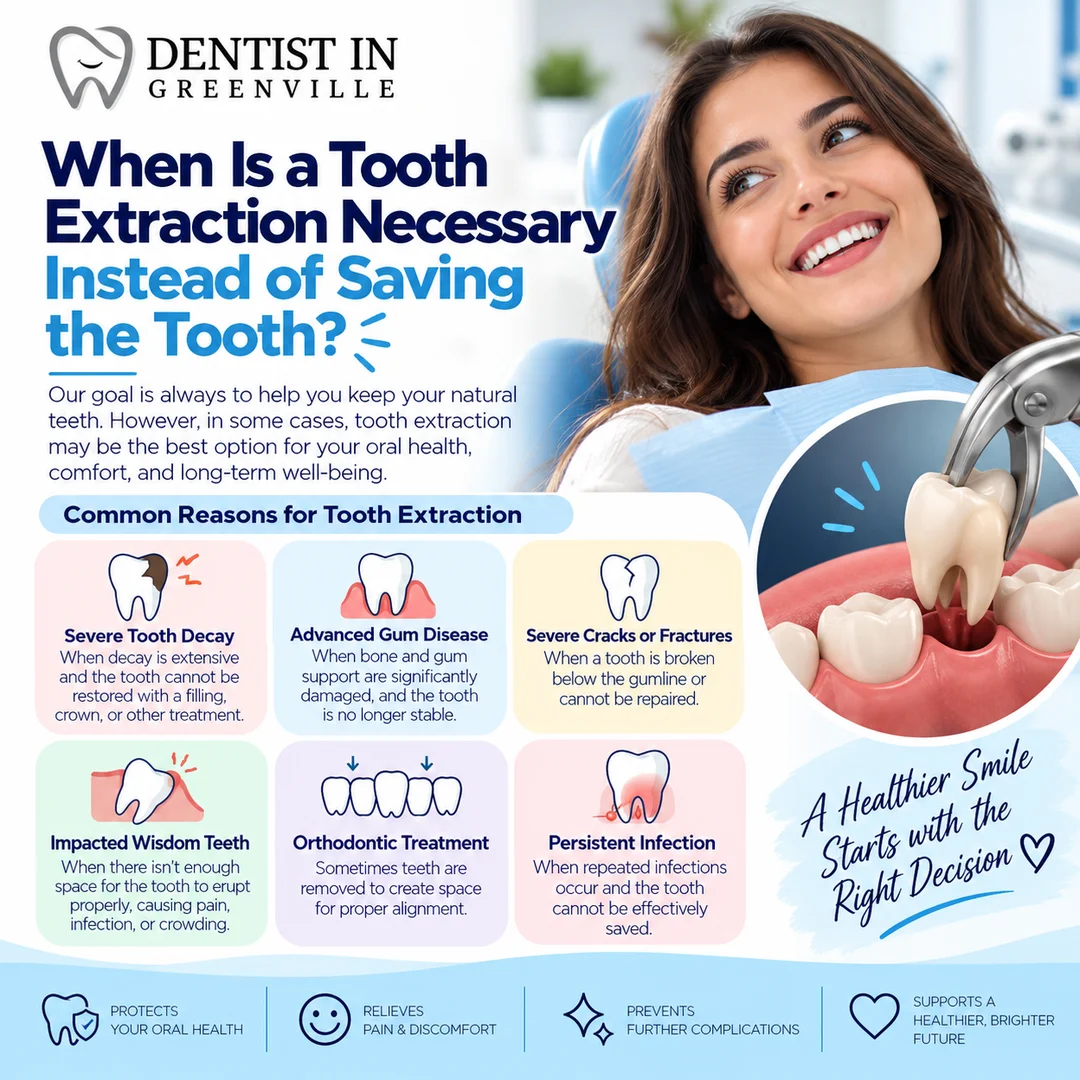
Tooth extraction often becomes necessary in specific situations. Severe decay, gum disease, or damage can leave a tooth beyond saving.
Severe tooth decay can destroy a tooth’s structure and stability, so dentists may recommend tooth extraction instead of trying to save it. The author once watched a dentist remove a molar that had lost most of its crown after years of decay and failed restorations.
A tooth can hide infection without pain, so extraction may happen even if the patient feels fine.
The American Dental Association notes extractions often address crowding and disease that other treatments cannot fix. If enough tooth structure remains, a root canal or crown might save the tooth, but deep cracks, chips, or fractures often force removal. Dental extraction stops decay and infection from spreading to nearby teeth and tissues.
Advanced gum disease eats away at the bone and gumline until teeth lose support. A dentist in private practice has seen this damage reach a point where tooth structure and stability vanish.
Infection from untreated gum disease can force a tooth extraction, especially if other dental treatment cannot stop the spread of decay and tooth infection. Pain may not show, yet extraction can still become necessary to protect nearby teeth and tissues.
Gum disease often arrives after years of neglect or failed periodontal therapy. Patients with deep pockets, loose teeth, or large fractures from old trauma sometimes need removal, even after root canal attempts.
The American Dental Association notes that crowding can also push clinicians toward extraction as part of overall dental treatment. Dentists weigh whether enough dental structure remains to support a restoration before choosing extraction.
Impacted wisdom teeth sit trapped under the gum or press against a neighbor tooth. Dentists often remove them when decay has destroyed tooth structure or when infection and gum disease do not respond to treatment.
The American Dental Association lists crowding as a common reason to extract these molars. Pain does not have to be present for a dentist to recommend dental extraction.
Severe trauma or a deep fracture can force extraction if repair cannot restore function. If tooth structure still supports a crown or root canal, extraction may not be needed. Removal can stop decay and infection from spreading to adjacent teeth and tissues.
The decision relies on whether other dental treatments can save the tooth or if extraction better protects oral health.
Severe tooth trauma or fractures can cause irreversible damage. A deep crack or significant chip might leave a tooth beyond repair, especially if prompt emergency dental treatment isn't received. Dentists often recommend extraction in these cases to prevent further complications.
Infections may develop from breakage, leading to gum disease and pain. If the structure of the tooth erodes too much, saving it becomes impossible. Pain isn’t always present with trauma, yet it doesn’t lessen the need for action; ignoring severe damage may worsen one's dental health down the line.
Sometimes, keeping a tooth just isn't possible. A failed root canal can leave a tooth beyond repair. Overcrowding might force the need for extraction to make room for others. Or, if an infection spreads, it could pose serious risks.
Each situation is unique, and understanding them is important for dental health decisions. Curious about how these factors influence your smile? Keep reading!
Failed root canal treatment can lead to serious dental issues. If the tooth structure is too damaged, extraction might be necessary. Dentists often recommend this option when infection or decay persists after treatment.
Deep cracks or fractures can also complicate matters; emergency dental care may not have been sought in time. Pain isn’t always a sign that removal is needed, but persistent issues typically signal trouble.
Tooth extraction becomes vital if the repair options no longer work effectively. Further attempts to save an already failed root canal rarely help restore the tooth’s function. This choice helps prevent decay and infection from spreading to nearby teeth and gum tissue as well.
In many cases, removing the problematic tooth offers immediate relief and protects overall oral health.
Overcrowding of teeth often leads to tooth extraction. The American Dental Association highlights this issue as a common reason for dentists recommending removal. When there isn’t enough space in the mouth, teeth can become misaligned or overlapping. This can create problems with oral health and hygiene.
In some cases, overcrowded teeth may complicate dental treatments like braces. A dentist might decide that removing one or more teeth is necessary to allow proper alignment. Maintaining strong tooth structure is crucial for effective restorations later on, so extraction may become the best option in these scenarios.
Infections can spread quickly through the mouth. If a tooth decays deeply or experiences trauma, it might become a breeding ground for bacteria. Dentists often find that infection and gum disease reach a point where no other treatments will work.
Extraction becomes necessary in these cases to halt the spread of harmful bacteria to nearby teeth and gums.
When a tooth shows signs of severe decay or damage, waiting too long may lead to worse problems. Pain isn’t always present with infected teeth, so regular dental check-ups are crucial.
Taking action sooner rather than later helps maintain overall oral health and prevents complications down the road. Following this discussion on infections, let’s explore the benefits of tooth extraction next.
Tooth extraction can bring quick relief from pain. It also stops further dental problems down the road, giving one a fresh start for better oral health.
Pain relief often comes as a welcome side effect of tooth extraction. Many people find that removing an infected or decayed tooth brings immediate comfort. Chronic pain from severe decay can disappear once the problematic tooth is gone.
During his own dental journey, one man faced constant discomfort from a broken molar. After his dentist recommended extraction, he hesitated but finally agreed to it. The day after surgery, he realized how much better he felt without that nagging ache interfering with life’s simple pleasures like eating and smiling.
By addressing serious issues quickly through removal, patients can avoid further damage and enjoy improved dental health in no time at all.
Tooth extraction often prevents further oral health issues. When a tooth suffers severe decay or trauma, removal can stop infection from spreading. A dentist might need to extract a tooth if advanced gum disease has damaged the surrounding tissue. Once that happens, bacteria can easily migrate to other areas of the mouth.
In cases of overcrowding, dentists recommend extractions to keep teeth aligned and healthy. This helps maintain proper bite function and ensures remaining teeth do not shift into problematic positions.
Some people might experience deep cracks or fractures in their teeth without any pain. They must still consult with dental professionals for solutions before serious complications arise. Taking action early protects overall dental health and avoids costly treatments down the line.
A tooth extraction is needed when the tooth is severely damaged or infected. If a root canal cannot save it, removal may be the best option.
It depends on how deep the crack goes. A small crack might be fixed with a filling, but a deep one could mean extraction to prevent further issues.
Wisdom teeth often need to be extracted because they can grow at odd angles or crowd other teeth. They can also cause pain and infection if not removed in time.
Removing a visible tooth can change your smile temporarily, but options like implants or bridges exist to restore it later. Your dentist will guide you through this process for the best outcome.
Tell us a little about what you need — we'll be in touch shortly.
4 Market Point Dr Suite E, Greenville, SC 29607, United States

Hi! I'm Tooth fairy! Your AI Assistant Ask me anything